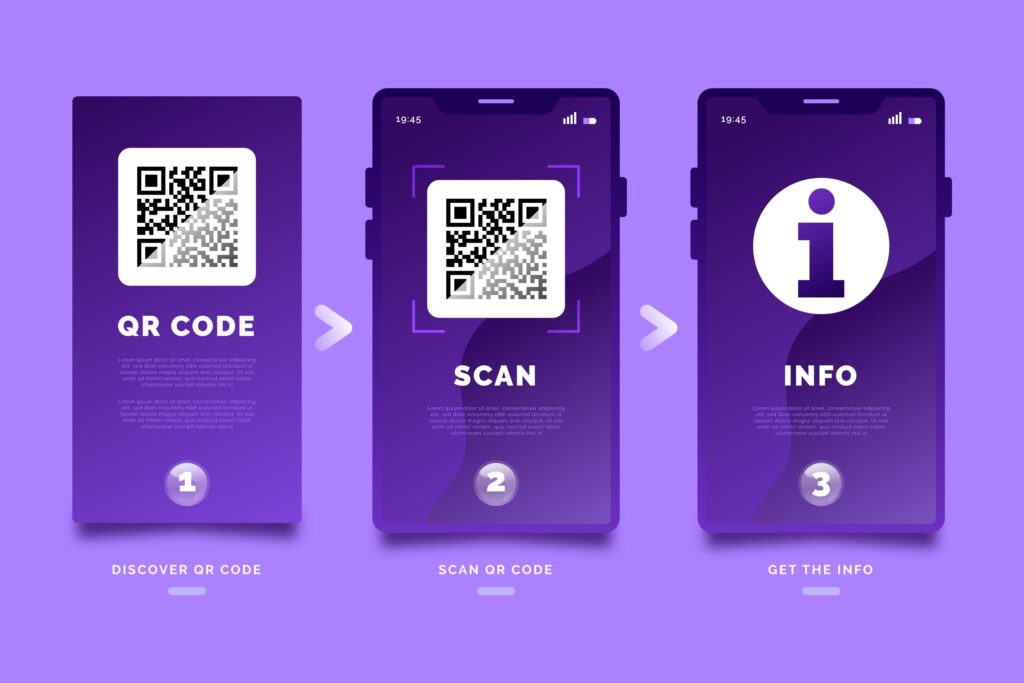
What Is a QR Code?
A QR code, short for Quick Response code, is a two-dimensional barcode that stores information in a square grid of black and white modules. Originally developed in 1994 by Denso Wave to improve industrial tracking, QR codes can store far more data than traditional barcodes. They are designed for fast readability and can be scanned from multiple angles. Today, QR codes are widely used for website links, digital payments, contact sharing, authentication, and instant access to online content.
Understanding the Structure of a QR Code
Although QR codes appear random, their structure is carefully engineered. The three large squares in the corners are called finder patterns, which help scanners detect orientation. Alignment patterns correct distortion, while timing patterns organize the grid layout. The quiet zone, or empty border, ensures accurate reading. Each small square inside the grid represents encoded binary data. This structured design enables quick scanning and reliable performance across devices.
How QR Codes Store Information
QR codes store data using binary encoding, which converts text or links into sequences of zeros and ones. These binary sequences are then mapped into black and white modules within the grid. The amount of data determines the density of the pattern. QR codes can store URLs, plain text, contact details, Wi-Fi credentials, and payment data. Their efficient encoding system allows large amounts of information to be stored in a compact, scannable format.
How QR Code Scanning Works
When scanned using a smartphone camera, the device first detects the finder patterns to determine orientation. The scanning software then reads the grid, converts the visual modules back into binary code, and decodes the information into readable content. This entire process happens in milliseconds. Modern smartphones have built-in QR scanning capabilities, eliminating the need for separate apps and making QR technology easily accessible to everyone.
Error Correction and Reliability
One of the most powerful features of QR codes is error correction. They use a mathematical technique that allows data recovery even if part of the code is damaged or obscured. Depending on the selected error correction level, a QR code can restore a significant percentage of lost data. This is why QR codes remain functional even when slightly scratched, folded, or customized with logos. The balance between storage capacity and error correction ensures durability in real-world applications.
Static vs Dynamic QR Codes
QR codes can be categorized as static or dynamic. Static QR codes contain fixed information that cannot be edited after creation. If changes are needed, a new code must be generated. Dynamic QR codes, on the other hand, store a short redirect link that can be updated without changing the printed code. Dynamic codes also allow scan tracking and analytics, making them ideal for marketing campaigns and business use.
Common Uses of QR Code Technology
QR codes are widely used across industries. Businesses use them for digital payments, product authentication, and promotional campaigns. Restaurants offer contactless menus through QR scanning. Educational institutions provide instant access to study materials. Event organizers use QR-based tickets for entry verification. Their ability to instantly connect offline materials with online content makes QR codes highly versatile and practical in modern digital ecosystems.
Security Considerations in QR Usage
While QR codes are convenient, users should remain cautious. Malicious QR codes can redirect to harmful websites or phishing pages. Because the encoded link is not visible before scanning, it is important to verify the source. Many scanning tools now display a preview of the URL before opening it, adding an extra layer of safety. Responsible usage and awareness significantly reduce potential risks associated with QR technology.
Final Thoughts
QR codes represent a powerful blend of simplicity and advanced engineering. Behind their minimal design lies complex encoding, pattern recognition, and error correction systems that enable instant data access. From industrial origins to everyday applications like payments and marketing, QR codes continue to bridge the physical and digital worlds efficiently. Their adaptability and ease of use ensure they will remain a key technology in modern communication and commerce.