Where It All Started: Factory Floors in Japan
QR codes were invented in 1994 by Denso Wave, a subsidiary of Toyota, to improve tracking of vehicle parts during manufacturing. Traditional barcodes lacked storage capacity and required precise alignment, slowing production lines. The Quick Response code was designed to scan faster, store more data, and work from multiple angles, making it ideal for industrial use long before consumers ever noticed it.
What Made QR Codes Different From Barcodes?
Unlike one-dimensional barcodes, QR codes are two-dimensional matrix codes capable of storing far more information, including URLs, text, numbers, and complex characters. Their built-in error correction allows them to remain scannable even if partially damaged, which made them highly reliable for logistics, inventory management, and large-scale industrial systems.
The Big Shift: Smartphones Changed Everything
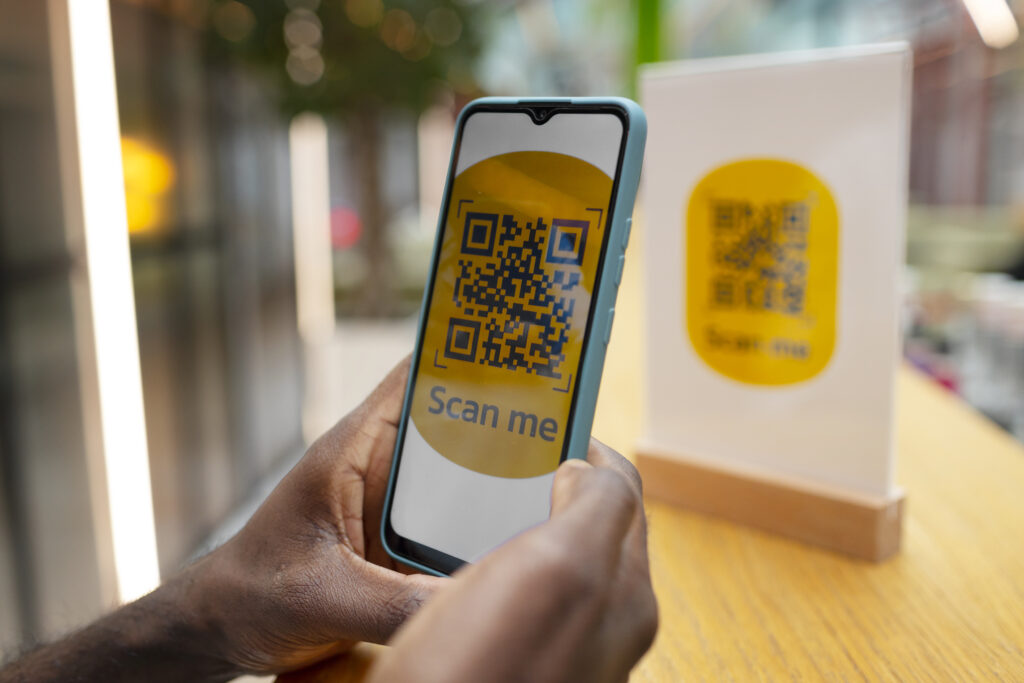
QR codes remained largely industrial until smartphones transformed their usability. When Apple launched the iPhone in 2007, followed by Android devices, mobile phones combined cameras and internet access in one device. Once camera apps began supporting built-in QR scanning, adoption surged because users no longer needed separate apps or tools.
QR Codes Enter Marketing & Advertising
As smartphones became widespread, marketers realized QR codes could instantly connect offline materials to online experiences. Print ads, product packaging, posters, and business cards began directing users to websites, promotions, and contact details. Although early adoption faced challenges like slow internet speeds, QR codes gradually became a practical bridge between physical and digital marketing.
The Pandemic Acceleration (2020 Onward)
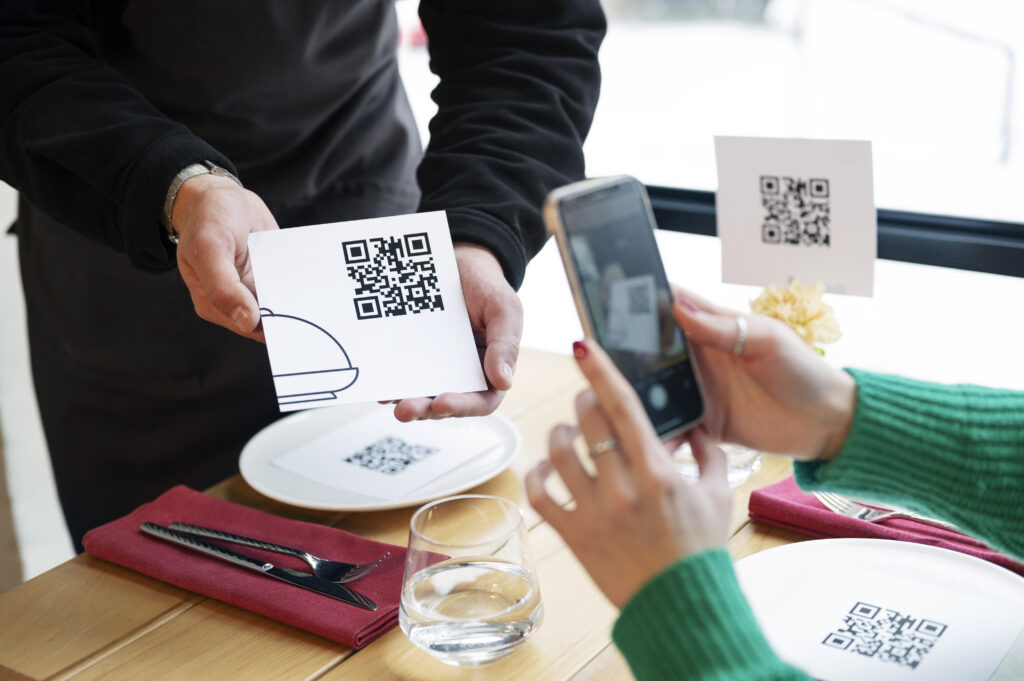
The COVID-19 pandemic accelerated global QR code adoption as contactless interaction became essential. Restaurants replaced physical menus with scannable codes, businesses enabled touch-free payments, and institutions used QR systems for health forms and registrations. Platforms like Paytm and WeChat helped normalize QR-based transactions, turning them into everyday infrastructure.
QR Codes in Everyday Life Today
Today, QR codes are embedded in retail, payments, education, and travel. They enable product authentication, digital payments for even small vendors, attendance tracking in schools, and paperless boarding passes. Their simplicity and universal compatibility make them a seamless link between physical objects and digital platforms.
Why QR Codes Succeeded? (When Many Tech Trends Didn’t?)
QR codes succeeded because they are simple, low-cost, and highly adaptable. They require no special hardware beyond a smartphone camera, are free to generate, and can be used for everything from payments to authentication. Most importantly, they solve practical problems efficiently, which has ensured long-term relevance.
What’s Next for QR Codes?
QR codes are evolving into smarter tools with dynamic links, built-in analytics, augmented reality triggers, secure authentication, and digital identity applications. What began as a factory tracking solution is now part of payment ecosystems, security systems, and customer engagement strategies worldwide.
Final Thoughts
QR codes didn’t start as a consumer innovation. They were born out of manufacturing efficiency needs inside Japanese factories. But thanks to smartphones, internet penetration, and global demand for contactless solutions, they became one of the most widely used technologies in modern life.
From tracking car parts to enabling street food payments QR codes prove that sometimes the simplest tools have the biggest impact.