How to Use QR Codes in Marketing That Actually Convert?
Marketing is full of shiny tactics that look impressive but quietly fail to produce results. QR codes are not one of them if used correctly. The strange beauty of QR codes is that they are brutally practical. They either connect someone to the right experience instantly, or they waste attention. There is no middle ground
Design the Destination Before the Code
Before generating a QR code, define the outcome. Do you want email signups? Purchases? App downloads? Appointment bookings? Each goal requires a focused landing page built for one action only. If the page has five different buttons and no hierarchy, attention fractures and conversion drops.
A high-converting QR landing page loads fast, explains value in one clear sentence, and gives one obvious action. Fewer choices increase decision speed. Psychology consistently shows that reducing cognitive load increases action rates
Context Is Everything
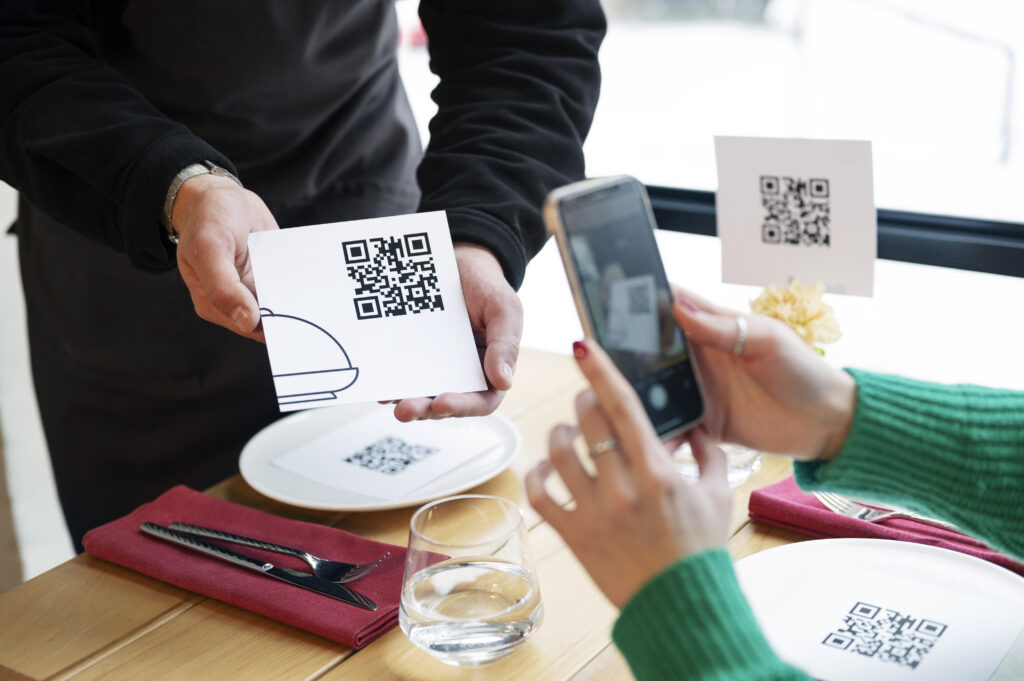
Where the QR code appears changes how people behave. A QR code on product packaging suggests product information or a warranty claim. A QR code at a restaurant table implies menu access or payment. A QR code on a billboard has only seconds to persuade. The environment shapes expectations.
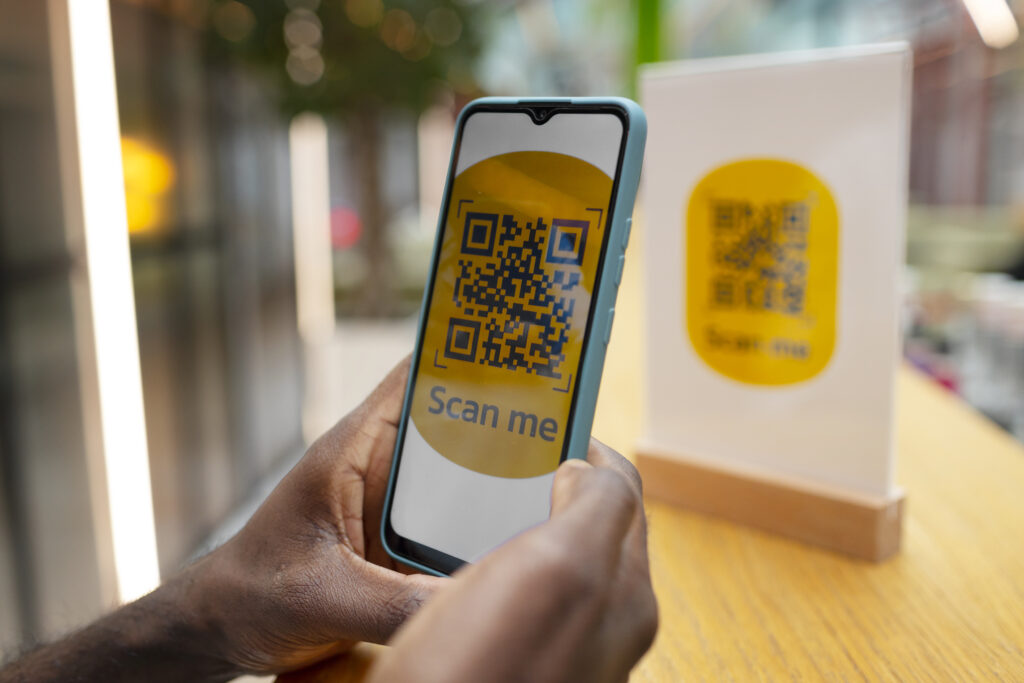
Offline placements work best when they solve an immediate need. Event banners can link to instant registration. Store displays can unlock limited-time offers. Even delivery boxes can invite customers into loyalty programs. The code must feel like a natural extension of the moment.
Give People a Reason to Act Now
Urgency increases conversion. Limited-time offers, early access, exclusive content, or surprise rewards can transform passive scanning into active participation. Humans are wired to respond to scarcity. A static informational page rarely converts as well as a value-driven incentive.
The difference between a QR code that gets scanned and one that converts lies in perceived benefit. If the reward outweighs the effort, action happens.
Track, Test, Improve
Dynamic QR codes are codes that allow you to change the destination URL later—turn marketing into an experiment instead of a gamble. You can test different landing pages, offers, or messages without reprinting materials. Add tracking parameters to measure scan source, time, and conversion behavior.
Data removes guesswork. If one placement converts at 12% and another at 2%, the strategy becomes clear. Marketing should feel less like intuition and more like controlled experimentation.
Mobile Experience Is Non-Negotiable
QR codes live on smartphones. If your landing page is slow, cluttered, or not optimized for mobile, conversion collapses. Fast load speed, readable fonts, minimal form fields, and tap-friendly buttons are mandatory. Every extra field in a form reduces completion rates.
Reduce friction. Reduce distractions. Reduce steps. Conversion loves simplicity.
Build Trust Instantly
Users hesitate when they do not recognize where they are being directed. Branding consistency increases confidence. If the QR code design matches the campaign style and the landing page visually aligns with your brand, trust rises.
Security also matters. Clear explanations, recognizable domains, and transparent data usage policies prevent drop-offs. Trust is invisible, but its absence is loud.
Final Thoughts
QR codes do not convert because they are trendy. They convert because they remove friction between attention and action. When placed in the right context, paired with a compelling reason, and linked to a focused experience, they become powerful marketing accelerators.
The square pattern itself is simple. The strategy behind it is not. And that is the fun part. Marketing is applied psychology wrapped in technology. QR codes just happen to be one of the cleanest bridges between the physical world and the digital one.
In a universe full of overcomplicated growth hacks, sometimes the most effective tool is a small black-and-white square that simply says: here is your next step.