Introduction: QR Codes as Growth Infrastructure
In 2026, QR codes are no longer just black-and-white squares linking to websites. They have become powerful growth infrastructure for businesses of all sizes. With smartphones offering built-in scanning capabilities and consumers fully comfortable with contactless interactions, QR codes now serve as direct gateways between offline experiences and digital conversion funnels. The businesses seeing real results are those using QR codes strategically—not casually.
Turning Physical Touchpoints into Conversion Channels
Every physical asset a business owns can now function as a digital entry point. Product packaging, storefront displays, restaurant tables, receipts, event booths, and even delivery boxes can feature QR codes that drive measurable actions. Instead of sending users to a generic homepage, smart businesses direct scans to limited-time offers, personalized landing pages, booking forms, or loyalty signups. This approach captures customer intent at the exact moment of engagement, significantly shortening the path to conversion.
Using Dynamic QR Codes for Real-Time Optimization
Static QR codes are limiting in a fast-moving market. In 2026, dynamic QR codes allow businesses to change destination links without reprinting materials, track scan locations and timing, and monitor user behavior in real time. This flexibility enables campaign optimization on the fly. If a promotion underperforms, marketers can adjust messaging, offers, or landing pages instantly. The result is higher ROI and less wasted advertising spend.
Increasing In-Store Sales and Customer Confidence
QR codes are particularly effective inside retail environments where buying intent is already high. Customers can scan to access product reviews, watch demo videos, unlock instant discounts, or compare options. This reduces hesitation and improves purchasing confidence. By giving shoppers the information they need in seconds, businesses increase average order value and overall conversion rates without adding pressure.
Capturing First-Party Data in a Privacy-First Era
As privacy regulations tighten and third-party tracking declines, first-party data has become essential. QR codes offer a seamless way to collect emails, event registrations, survey responses, and contest entries. When paired with a clear incentive—such as exclusive discounts, downloadable resources, or early access—customers are far more likely to share their information. This builds a valuable owned audience that businesses can nurture long-term without relying on external platforms.
Integrating QR Codes with Payments and Loyalty Programs
QR-based payment and loyalty ecosystems continue to drive growth in 2026. Companies like Starbucks have demonstrated how scan-to-pay systems combined with rewards tracking can increase retention and lifetime value. Faster checkout improves customer experience, while loyalty integration encourages repeat purchases. Small and mid-sized businesses are increasingly adopting similar models to stay competitive and streamline transactions.
Delivering Personalized Customer Experiences
Advanced QR solutions now support geo-targeting, time-sensitive offers, and behavior-based personalization. The same QR code can display different content depending on the user’s location or time of day. This level of customization makes interactions more relevant and engaging. Personalization not only improves conversion rates but also strengthens brand perception.
Combining QR Codes with AI and Automation
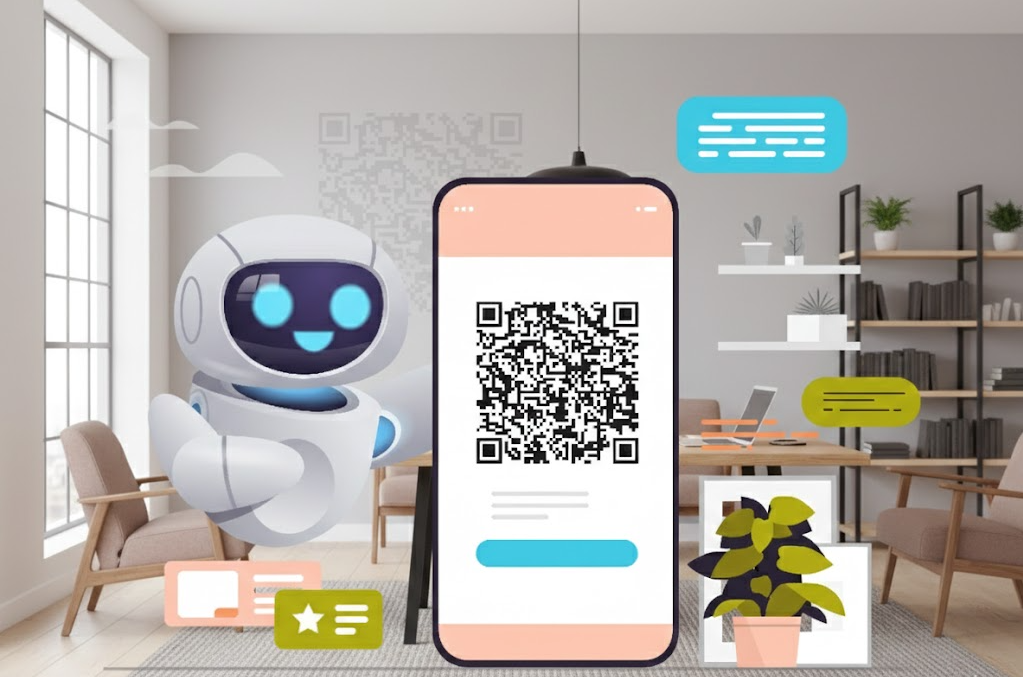
The most powerful QR strategies in 2026 involve automation. A single scan can trigger chatbot conversations, automated email flows, CRM tagging, retargeting ads, or personalized product recommendations. The growth sequence often follows a clear path: scan, capture data, personalize communication, automate follow-up, convert, and retain. QR codes act as the starting point of this scalable system.
Final Thoughts
In 2026, QR codes are not experimental tools—they are foundational business assets. They reduce friction, capture valuable data, enable personalization, and power automation. The companies that benefit most are those that align QR usage with measurable business objectives such as lead generation, sales conversion, customer education, or retention.
Every offline interaction holds the potential to become a digital growth opportunity. The difference between average results and exponential growth lies in strategy.